Student Spotlight: Meet Grace Upton, Turning a Love of the Outdoors into GIS Expertise
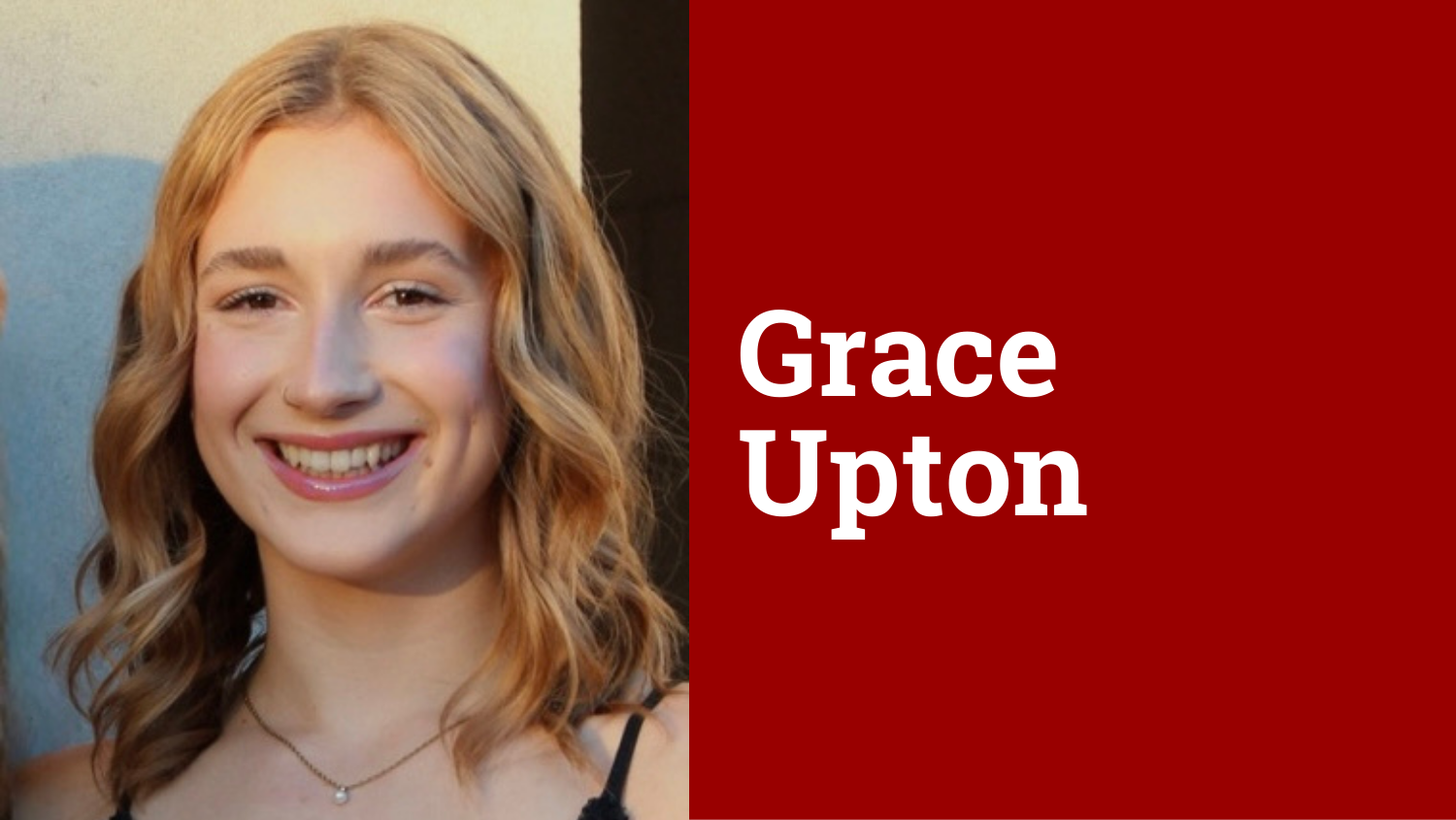
Grace Upton is a graduate student in the Geographic Information System Certificate program at NC State and a previous intern with CaSA’s Coastal Community Resilience Immersive Training (C-CRIT) program. She graduated from Meredith College with a Bachelor of Science in Biology and Environmental Sustainability. In her free time she enjoys outdoor activities such as camping, hiking and rock climbing.
What inspired you to pursue a graduate certificate at NC State?
I worked with AmeriCorps a couple of summers ago, supporting conservation projects across state and national parks throughout the Southeast. Geographic Information Systems (GIS) was integrated into nearly every project, which showed me that if I wanted to build a career in conservation, I needed to develop strong GIS skills. I took a GIS course at Meredith College and really enjoyed it, so I decided to keep building on that foundation. That led me to pursue a graduate certificate at NC State University.
Could you provide an example of how GIS may be used?
When I was working in Daniel Boone National Forest, a plant biologist created GIS maps of where endangered plant species were located to prevent logging in sensitive areas and protect the species. Our job as a conservation group was to take the GIS maps that he had made and then go out into the forest and flag off those protected areas.
How did you find out about the Climate and Sustainability Academy (CaSA)?
I learned about CaSA through Dr. Rebecca Ward. I participated in the Coastal Community Resilience Immersive Training (C-CRIT) program with Dr. Ward and Dr. Sanchez summer 2025. This semester, I’ve continued working with Dr. Ward as a graduate student assistant supporting her research projects.
“Grace is an outstanding collaborator who brings curiosity, professionalism, and thoughtfulness to everything she does. Working with her has been a true joy.”
Dr. Rebecca Ward, Program Director, C-CRIT
What was the most significant new experience gained during the Coastal Community Resilience Immersive Training Program internship?
It was really interesting because it was a new side of environmental work that I hadn’t explored before which was the public engagement side rather than focusing on natural spaces using GIS and environmental knowledge. This internship looked more at protecting community assets like roads and important community buildings that help a community function and then looking at what things in the environment are threatening those assets and how they can make those assets more resilient.
Can you give an example of an asset that you worked with during your internship?
Yes, for example, we worked in Gates County, and they have Merchants Millpond State Park, which is a huge, swampy area. One benefit of that asset is that it brings in a lot of tourism, which is an economic driver for the County. But then it’s also an environmental asset because if the area gets a lot of rain, instead of completely flooding the area, the swamp acts as a sponge and soaks up that extra rain. It highlights how environmental features can directly support community resilience and economic stability.


How long was the coastal community project and how was it structured?
The program lasted 10 weeks and there were six interns, including me, and two main mentors, Dr. Sanchez and Dr. Ward. We also worked with guest speakers from across NC State University and local government partners who provided additional context for resilience planning. We traveled to Gates County nine times over the 10 weeks to speak with community partners and observe flood prone areas. It was definitely a team effort— the deliverables at the end of the program were created by all six of us.
What advice would you give undergraduate students interested in sustainability?
I would say from my personal experience it’s sort of one of those situations where you might see a fork in the road and once you take one fork there’s another set of options. There’s just a wide range of opportunities and pathways in the field that you won’t really know what you want to specialize in until you’ve participated in internships, volunteer work, and learned more about what you do and don’t like.
What does sustainability mean to you?
Sustainability means looking for solutions that will benefit everybody, including people and the environment, to make sure everyone can thrive as much as possible!
This post was originally published in Climate and Sustainability Academy.
- Categories: